Meet Our 2026 Jackie Bezos Researcher in Residence
Introducing the inaugural Jackie Bezos Researchers in Residence — two scholars joining the Foundation to turn cutting-edge science into real impact for children, families, and communities.

What We Support
We start with science to meet the needs of children, youth, and families.

Across the field, researchers are expanding what we know about how young people learn and thrive. Emerging and established scholars are deepening knowledge of youth development and creating new opportunities, including for those whose perspectives have too often been overlooked.
When research is shaped with communities and connected to practice, it is more relevant, more useful, and more likely to improve classrooms, programs, and policies that support young people.
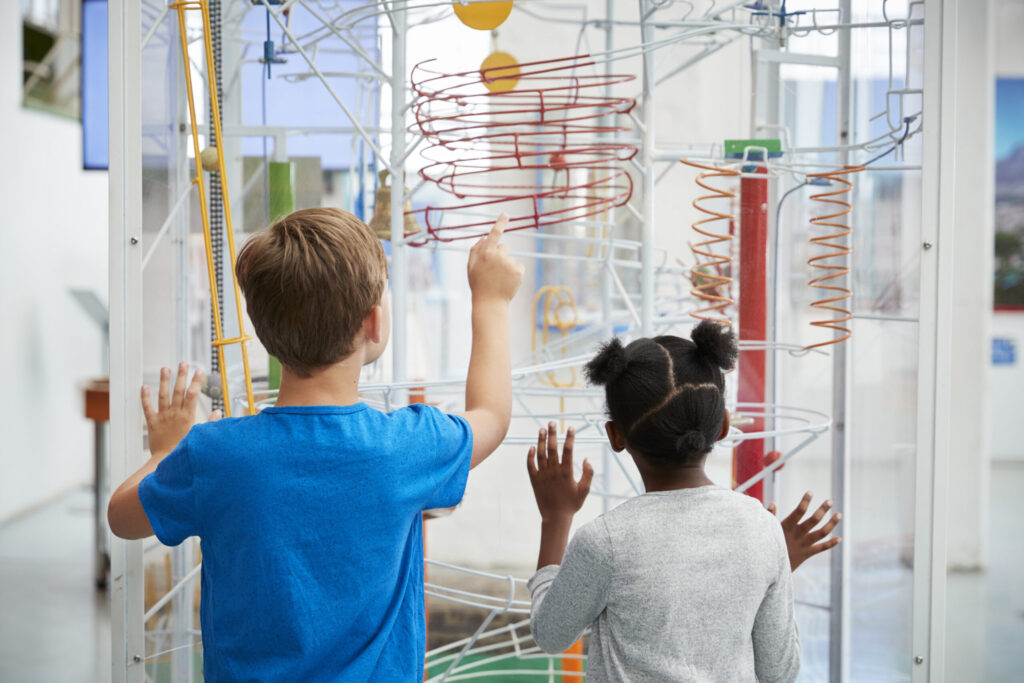
By expanding who participates in knowledge creation, we can better ensure findings translate into real-world improvements.
We invest in research that advances the field, engages communities, and informs practice and policy.
We support applied and foundational research that addresses key opportunities in positive child and youth development, helping young people and the adults around them. To continue advancing the field and fostering innovation, we also support early- and mid-career researchers.
We invest in research shaped in partnership with communities to ensure it reflects real needs and builds trust, making it more relevant and more likely to drive impact. We also expand opportunities for researchers to build skills and produce work alongside communities and decision-makers so findings drive lasting change.
We ensure research is shared in ways that practitioners, policymakers, and communities can meaningfully apply to inform decisions and improve outcomes.
Stories on advancing research and stories from the field.
Introducing the inaugural Jackie Bezos Researchers in Residence — two scholars joining the Foundation to turn cutting-edge science into real impact for children, families, and communities.

Two researchers at the forefront of the national conversation share what the data reveals, what it doesn’t, and why both matter.

Adolescence is an important time of discovery, when young people begin to make sense of who they are, what they…