A Future Built on Belonging
At Zuni Youth Enrichment Project, culture, creativity, and community are shaping what it means for young people to grow up rooted and well.
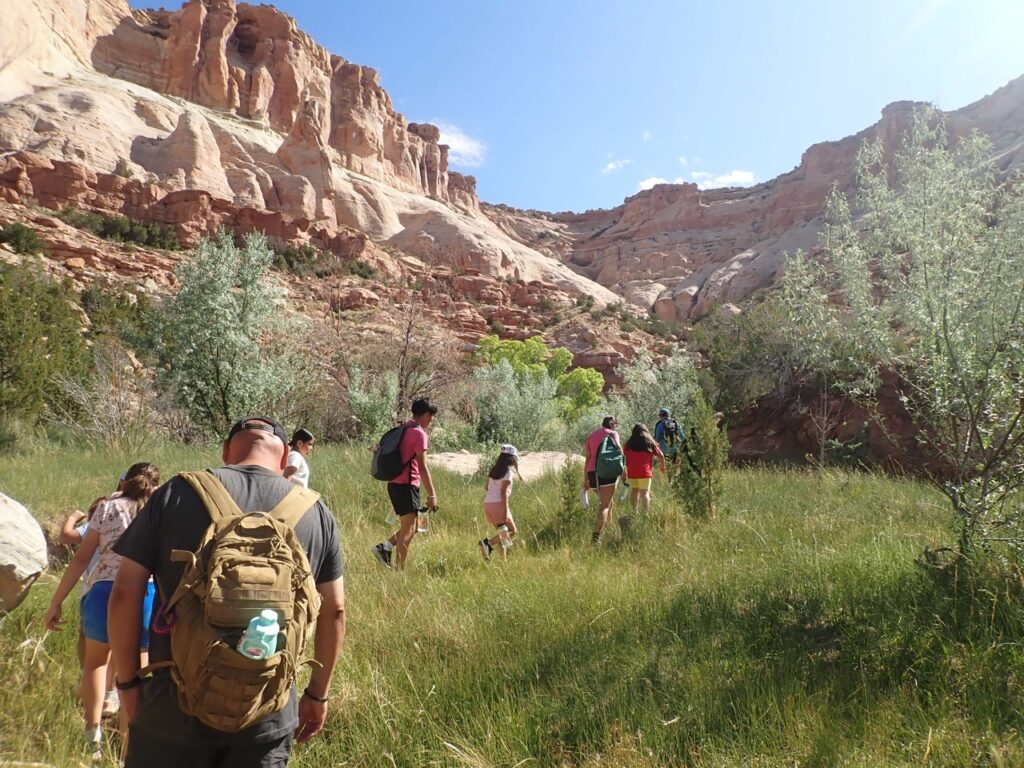
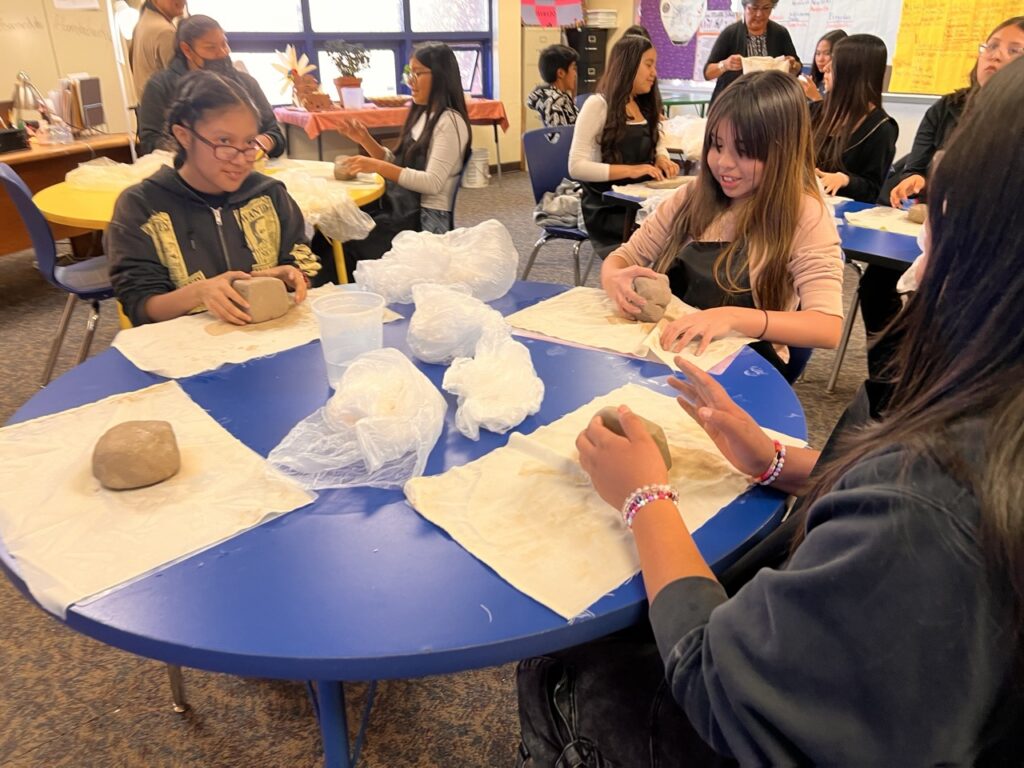
On a broad stretch of land near the Zuni River, a group of young people gather around tables holding clay, thread, sketchbooks and found objects. For Tahlia Natachu, Executive Director of the Zuni Youth Enrichment Project (ZYEP), this scene captures the center of her organization’s work: ensuring that as they grow, Zuni young people are deeply connected to who they are and where they come from.
“What does it mean to belong?” Natachu asks. “It’s seeing young people know their stories, speak their language, and feel pride in their place.”
Through ZYEP, these small, ordinary moments are shaping something extraordinary: a future where Zuni young people grow up proud, healthy and anchored.
Rooted Leadership
Natachu’s connection to Zuni Pueblo is shaped by her experiences growing up in a community where cultural continuity and collective responsibility are core values, even as external pressures pull young people away. “Many of our people leave Zuni to find opportunity,” she explains. “ZYEP helps young people find joy in being home.”
That idea of home as a place of possibility is evident throughout ZYEP’s programming. Launched in 2022, the organization builds on years of community trust to offer programs that integrate arts, athletics, food sovereignty, cultural education and mentorship. The goal is holistic wellness: physical, emotional, cultural and spiritual. “You can’t separate those things,” Natachu says. “To be well, you have to be connected — to land, to movement, to culture, to each other.”
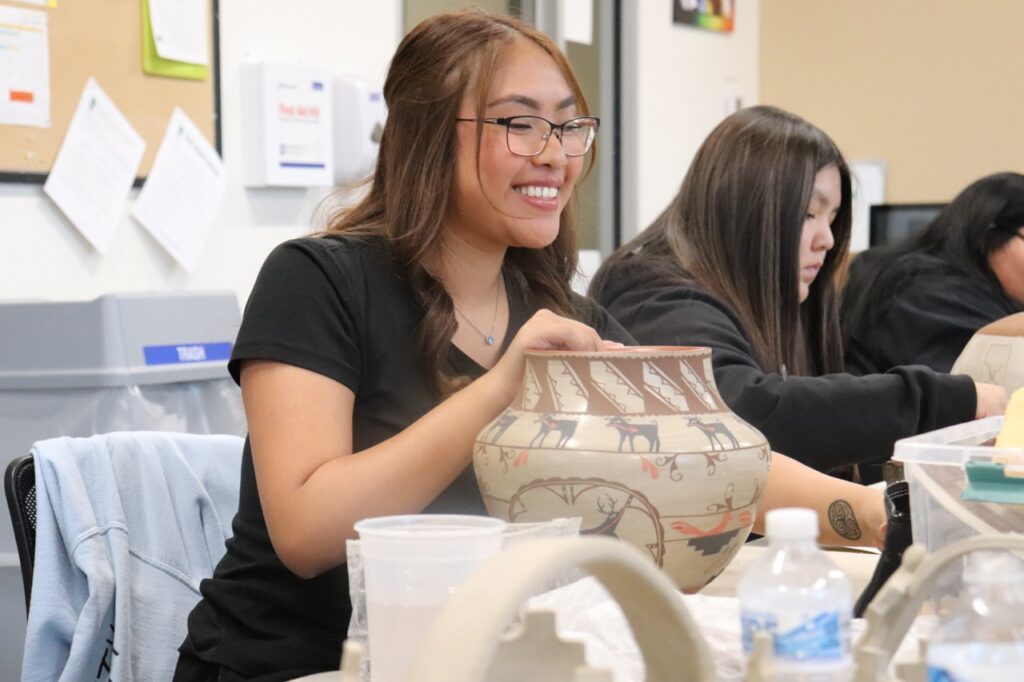
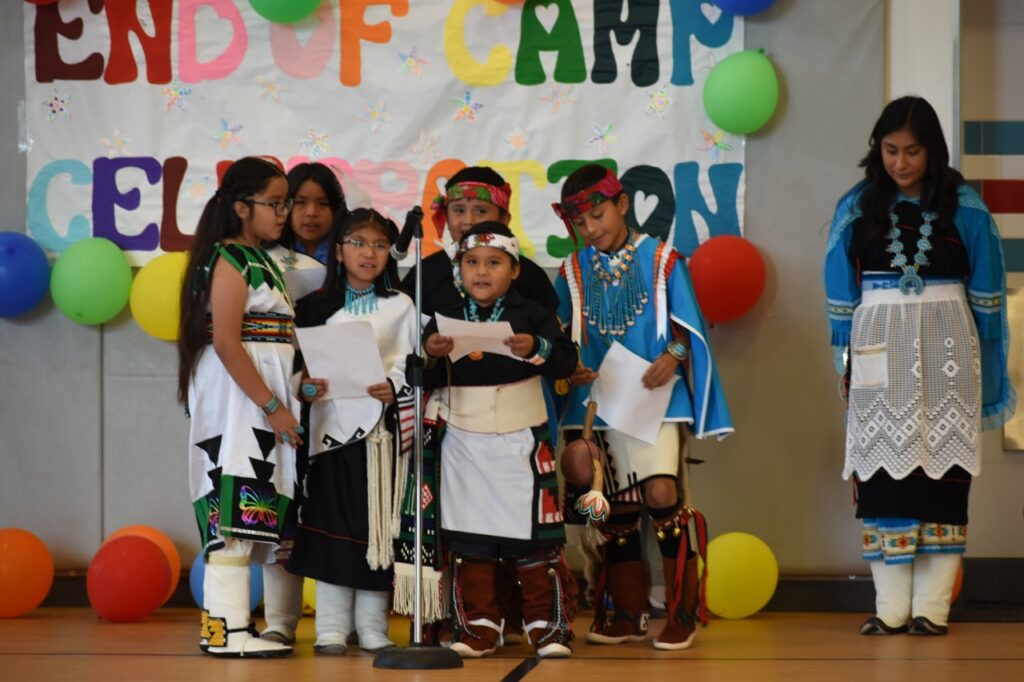
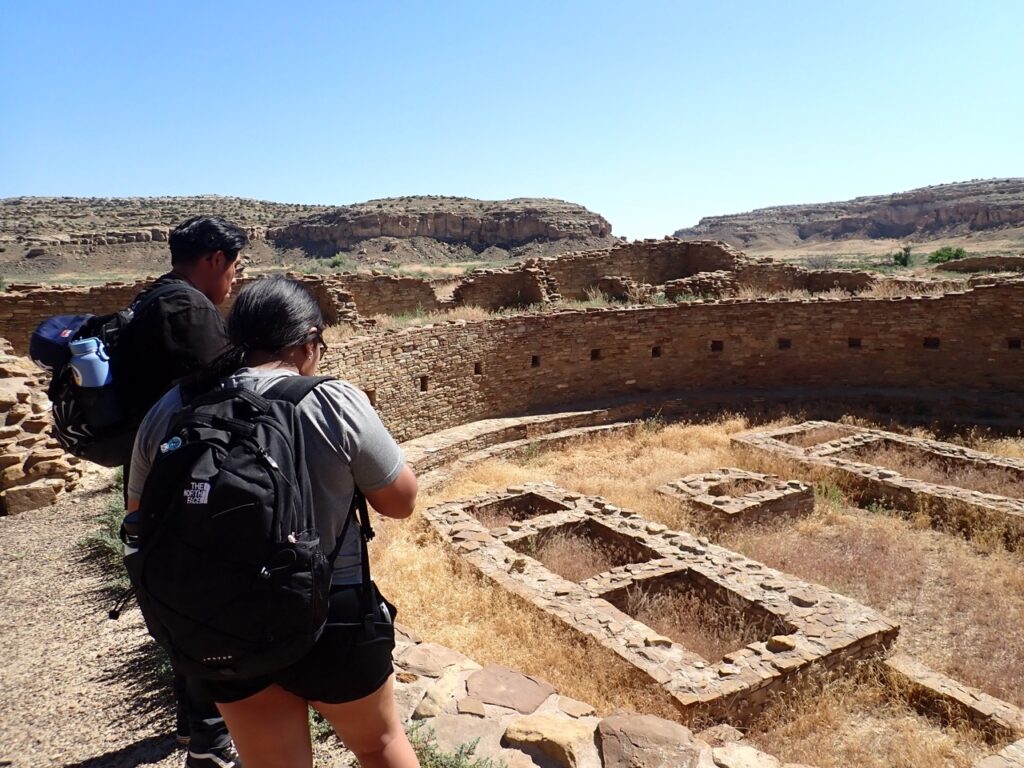
ZYEP creates pathways for young people not just to participate, but to lead through art, entrepreneurship and mentorship. In the past few years, ZYEP has supported 12 cohorts and facilitated more than 160 art shows and cultural demonstrations, reaching audiences as far as national parks and galleries in communities beyond Zuni Pueblo. Young people are grounded in traditional practices while speaking confidently to contemporary audiences, learning not only how to create, but to advocate for the village in the broader region.
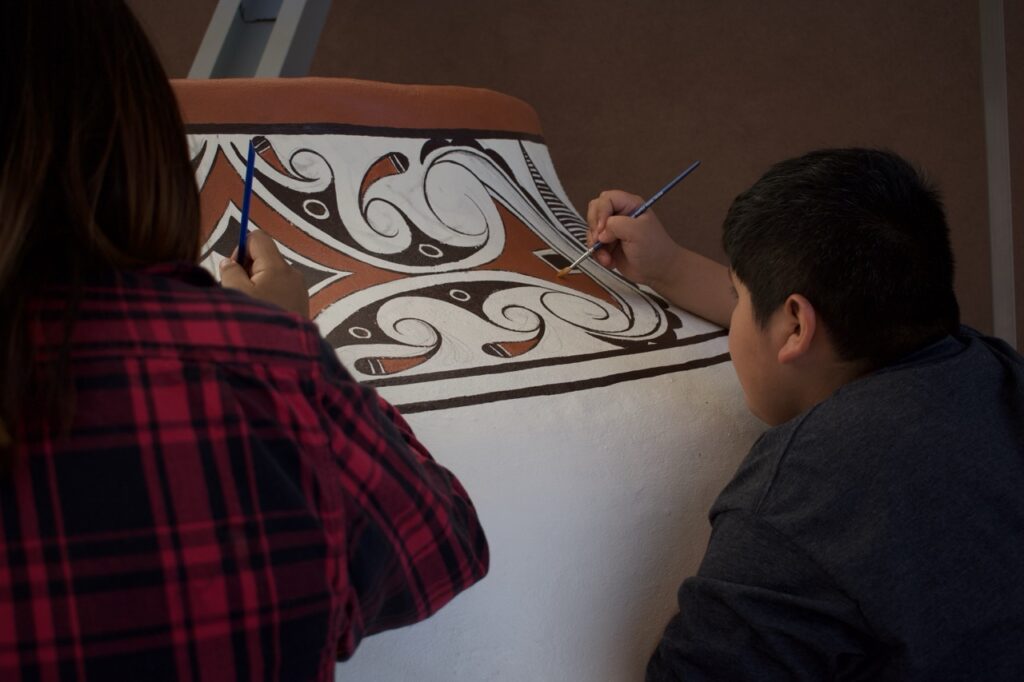
Cassandra Tsalate, a 23-year-old traditional potter, began at Zuni as an apprentice and is now an educator. “People call [traditional pottery] a dying art,” she says. “It’s not a dying art. It’s an evolving one.” Cassandra grew up farming with her family, learning ancestral methods of agriculture and food sovereignty, including growing corn, beans and squash using native seeds and traditional knowledge.
“You’re in the valley, with sacred mountains all around you,” she says. “It’s artistic, but it’s also spiritual.” At ZYEP, Cassandra teaches pottery to young people. As she instructs, she embodies a powerful shift ZYEP sees repeatedly: students garnering skills and moving into roles as educators.
Gregory Baca III learned Pueblo embroidery through ZYEP, gaining not only technical skills but confidence in how to present and speak about his work. Another participant, Mia Sutanto, began as a 2D art apprentice and is currently teaching graphic design, exemplifying what it looks like to stay rooted while building future possibilities.
Sneaky Wellness
“When youth continue practicing what they’ve learned after the program ends — that’s success,” Natachu says. “That’s real behavior change.” Sometimes the work looks like art workshops or farming days. Sometimes it looks like a basketball league. “We meet kids where they are,” Natachu explains. “They come for the fun, and along the way, we connect them to role models, kinship systems and healthy habits. It’s sneaky wellness.”
The challenges facing Indigenous young people are not new — underfunded schools, limited infrastructure, health disparities, and geographic isolation. Zuni Pueblo is nearly 45 minutes from the nearest McDonald’s, a small but telling detail about the community’s remote locale.
Natachu speaks openly about the emotional weight of the work — and how listening to young people share their stories can feel like a generational shift toward healing. “If children live healthy lives, they grow into strong, healthy adults — and pass that on to their kids,” she says.
Rather than framing young people as problems to be solved, ZYEP centers them as sources of hope. “Young people are some of the most powerful beings in our world,” Natachu says. “They show us potential. That potential extends to staff and community members.” Together, instructors and students are creating work that honors their past while defining a collective future.
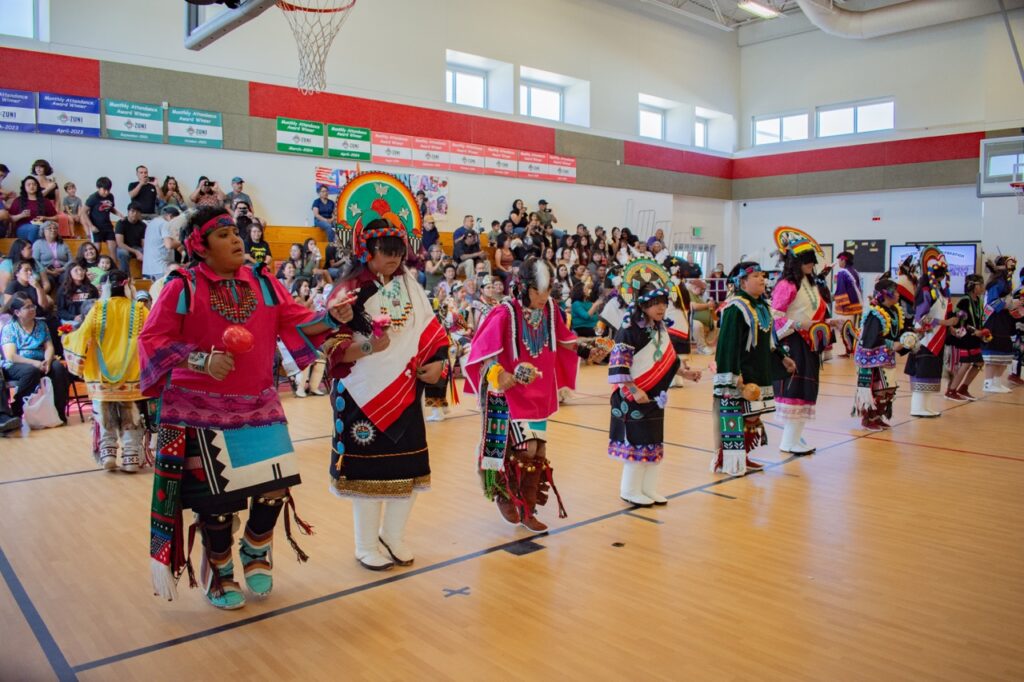
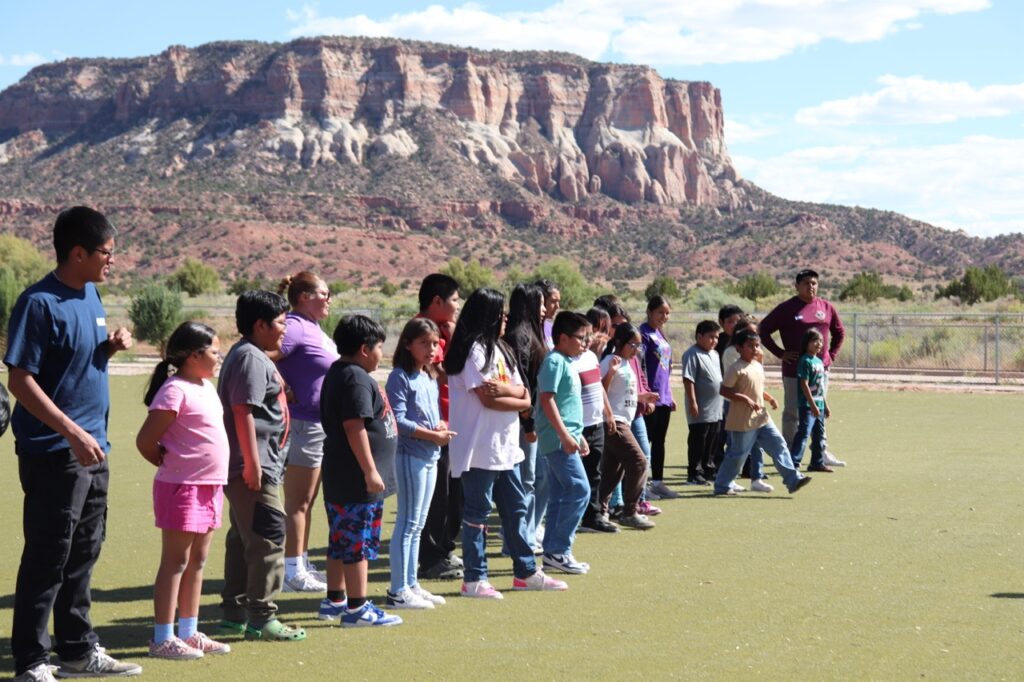
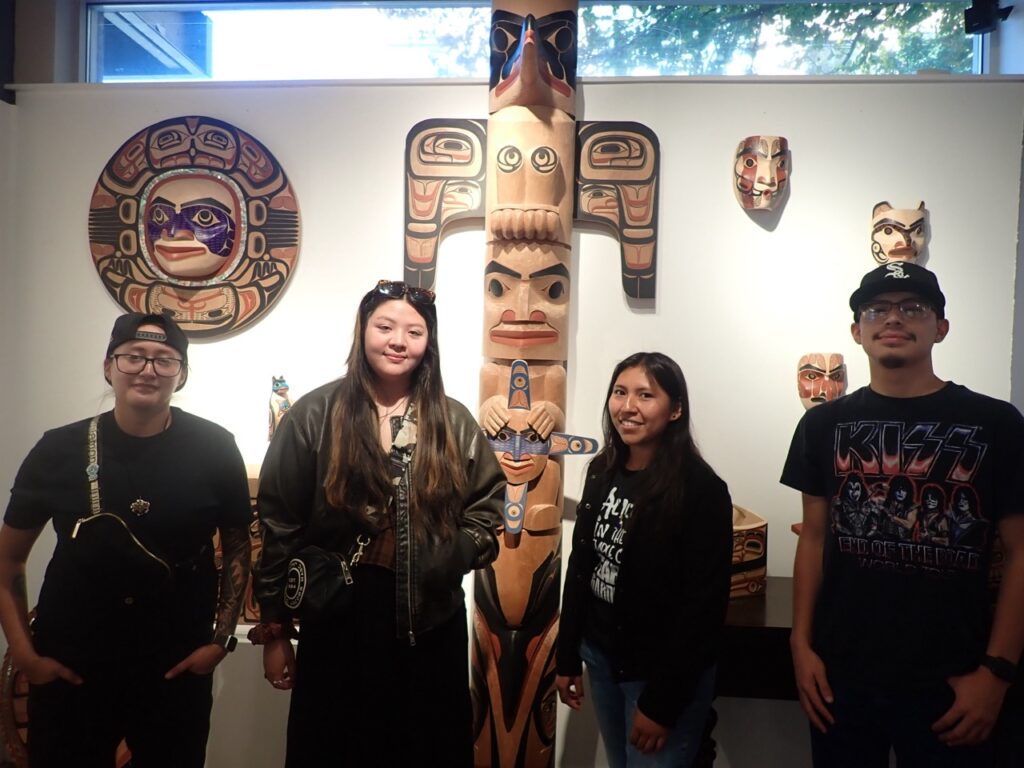
Looking ahead, Natachu’s vision is both clear and expansive: that ZYEP continues to be a staple of childhood for Zuni young people. Natachu describes the Zuni worldview as inherently reciprocal, where everyone is interconnected and contributes.
In a world that often rewards individualism, that value can feel countercultural. But connecting with other Indigenous communities and organizations doing similar work has been affirming for ZYEP.
“There’s this whole web of incredible work happening across the nation,” she says. “It reminds you — you’re not alone. You’re doing a good job.”
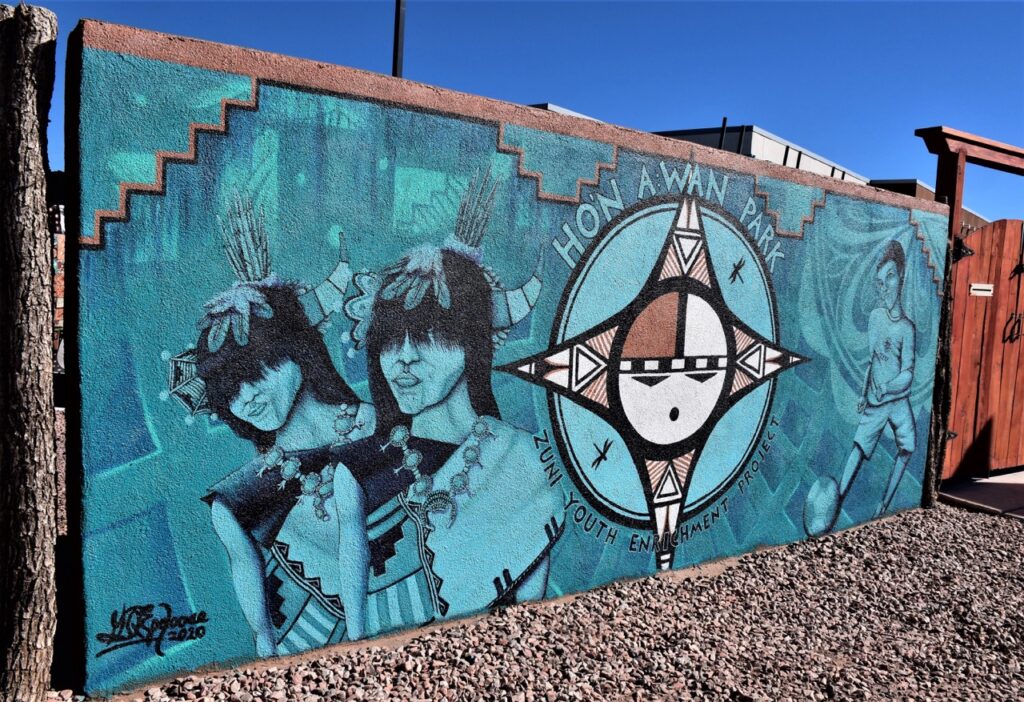
Bezos Family Foundation is proud to support the Zuni Youth Enrichment Project’s Artist Apprenticeship, which aims to make art more accessible to Zuni youth, fostering their artistic talent and developing leadership, business, cultural and civic engagement skills to preserve and advocate for Zuni culture.